
Understanding Prostate Health Through Nutrition
Discover how dietary choices impact your prostate wellness. Learn from our editorial team about foods, nutrients, and lifestyle patterns supported by nutritional science.
The information on this site is for educational purposes only and does not constitute medical advice. Always consult a qualified healthcare professional before making health decisions.
What Is Prostate Health?
The prostate is a walnut-shaped gland in the male reproductive system that plays an important role in sexual and urinary function. Understanding how nutrition influences prostate wellness is essential for every man seeking to maintain long-term health and vitality.
Research in nutritional science has consistently shown that certain foods and dietary patterns support prostate wellness more effectively than others. At Organic Men Food, we examine the evidence behind plant-based nutrients, antioxidants, and whole foods that contribute to optimal function.
This editorial platform brings together curated research, expert interviews, and practical dietary guidance to help readers make informed choices about their nutrition and overall wellness journey.
Explore our detailed guide
Essential Nutrients for Prostate Wellness
Learn about the key vitamins, minerals, and plant compounds that nutritional science associates with prostate health support.
Lycopene
A powerful antioxidant found in tomatoes, watermelon, and pink grapefruit. Nutritional research examines lycopene's potential role in supporting cellular wellness and prostate function throughout aging.
- Found in red fruits
- Heat-activated antioxidant
- Works best with healthy fats
Selenium
An essential mineral that supports antioxidant enzyme systems in your body. Brazil nuts, whole grains, and legumes provide bioavailable selenium to maintain cellular protection and metabolic wellness.
- Trace mineral essential for immunity
- Supports cellular defense
- Needed in small amounts daily
Zinc
A vital mineral concentrated in prostate tissue that supports reproductive and immune function. Pumpkin seeds, oysters, and legumes deliver bioavailable zinc in forms your body can easily utilize.
- High concentration in prostate
- Supports immune response
- Best absorbed from diverse sources
Foods That Support Prostate Wellness
Explore the most studied foods in nutritional science for prostate health. Our editorial team reviews the evidence behind each recommendation.

Tomatoes
Fresh tomatoes and tomato products deliver lycopene, a carotenoid studied extensively for its antioxidant properties. Cooking tomatoes increases lycopene bioavailability.
Key nutrient: Lycopene
Best form: Cooked, with olive oil
Serving idea: Tomato sauce, soups, salads
Pumpkin Seeds
A nutrient-dense seed rich in zinc, magnesium, and phytosterols. Pumpkin seeds are one of nature's most concentrated zinc sources and easy to incorporate into daily eating.
Key nutrient: Zinc, magnesium
Best form: Raw or lightly roasted
Serving idea: Snack, salad topper, trail mix
Brazil Nuts
Exceptionally high in selenium—just 2-3 nuts daily provide adequate intake. Selenium acts as a cofactor in antioxidant enzyme systems throughout your body.
Key nutrient: Selenium
Best form: Raw, unsalted
Serving idea: 2-3 nuts daily with breakfast

Fatty Fish
Salmon, mackerel, and sardines provide omega-3 polyunsaturated fats and selenium. Omega-3s support cardiovascular wellness and may benefit overall prostate function through systemic inflammation reduction.
Key nutrient: Omega-3 EPA/DHA, selenium
Best form: Wild-caught when possible
Serving idea: 2-3 servings weekly

Legumes & Beans
Lentils, chickpeas, and beans offer plant-based protein, fiber, and minerals including zinc and selenium. Their polyphenols provide antioxidant support while promoting digestive wellness.
Key nutrient: Zinc, selenium, fiber
Best form: Cooked from dried or canned
Serving idea: Soups, salads, dips, curries

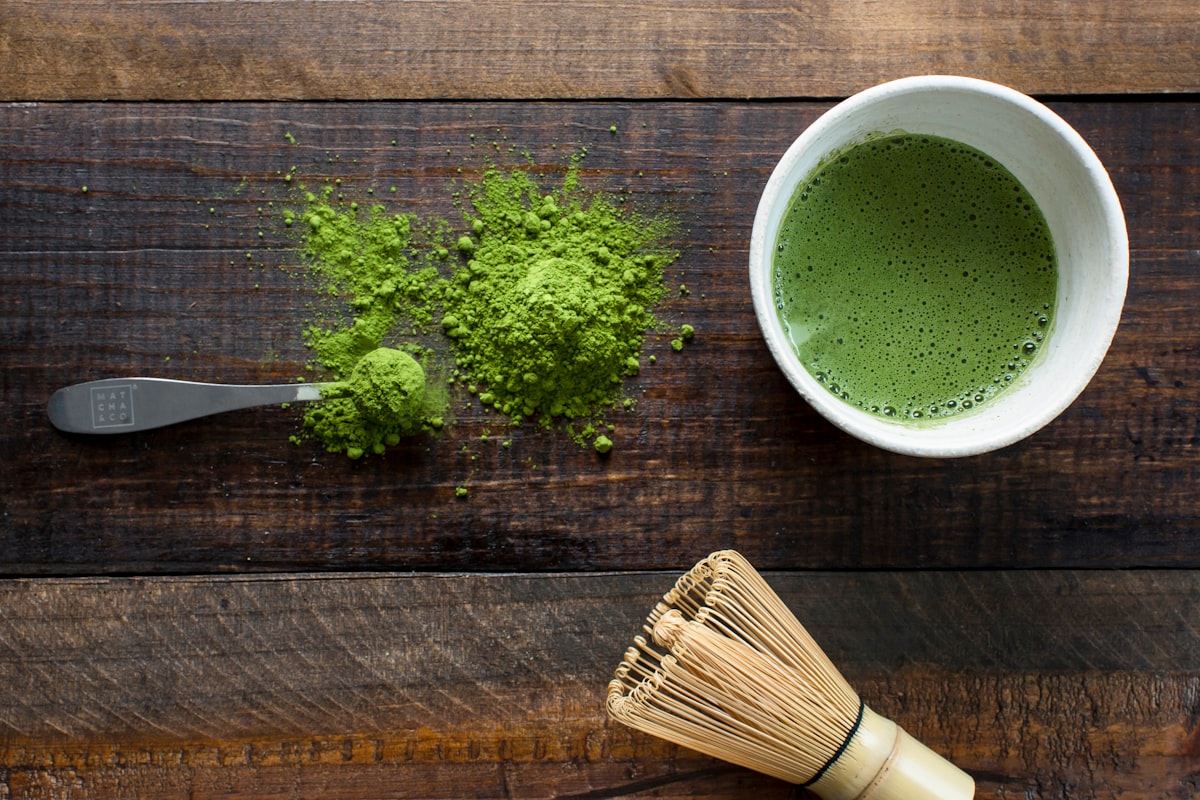
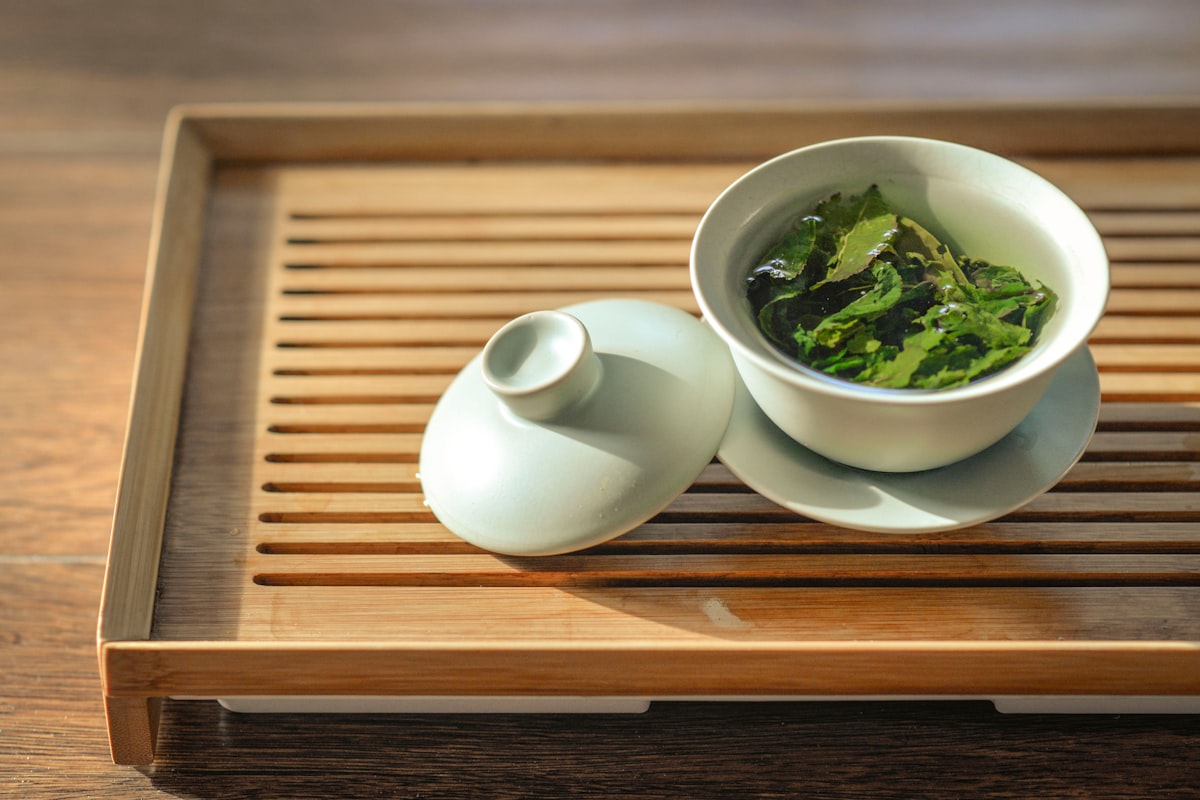
Green Tea
Rich in catechins, green tea's polyphenols have been extensively studied for cellular support. Regular green tea consumption fits naturally into a wellness-focused dietary pattern.
Key nutrient: Catechins (EGCG)
Best form: Freshly steeped whole leaves
Serving idea: 2-3 cups daily as tea
Building a Prostate-Supportive Diet
A practical approach to incorporating nutrient-dense foods into your daily eating routine.
Add Plant-Based Foods
Increase your intake of vegetables, whole grains, legumes, and nuts. Aim for colorful produce—different colors indicate different antioxidants and phytonutrients your body needs for optimal wellness.
- Leafy greens daily
- Whole grains over refined
- Variety of legumes weekly
Include Omega-3 Sources
Incorporate fatty fish, walnuts, flaxseeds, and chia seeds into your weekly meal planning. These foods provide anti-inflammatory omega-3 fats that support cardiovascular and systemic wellness.
- Fish 2-3 times weekly
- Walnut snacks as desired
- Flax in smoothies or oatmeal
Reduce Processed Foods
Minimize ultra-processed foods, refined sugars, and excess sodium. Focus on whole foods you recognize and can pronounce. This naturally increases nutrient density while reducing compounds your body must work to process.
- Limit processed snacks
- Choose whole grain bread
- Cook at home more often
Pro Tip for Success
Dietary changes work best when implemented gradually. Choose one or two of these steps to focus on this week, then add another next week. Small, consistent changes compound into lasting lifestyle improvements. Keep a simple food journal to notice how different foods make you feel—your body's feedback is valuable data.

Our Editorial Approach
Organic Men Food is an independent editorial platform dedicated to evidence-based nutrition information for male wellness. We review peer-reviewed research, interview nutritionists and health experts, and translate complex science into practical, actionable guidance.
Our editorial team consists of experienced writers with backgrounds in nutrition science, health journalism, and wellness coaching. We prioritize accuracy, transparency, and reader education over promotional claims.
Research-Based Content
All articles reference scientific studies and expert sources
Independent & Unbiased
No commercial relationships influence our editorial coverage
Practical Application
Actionable advice you can implement immediately in daily life
Transparent Sourcing
Links to original studies and expert credentials provided
What Our Readers Say
Real feedback from our community members who have implemented these nutritional approaches to support their prostate wellness journey.
"I found the prostate health guide incredibly helpful. The explanations about lycopene and zinc were finally clear—my doctor never explained it like this. I've incorporated pumpkin seeds and tomatoes into my daily routine and I feel more informed about what I'm eating and why. Highly recommend for any man wanting to take control of his nutritional wellness."
Budi Santoso
Jakarta, Indonesia
"Finally, an editorial approach to men's health that doesn't make outrageous promises. The step-by-step dietary guide was practical and realistic. I appreciated the transparency about what science actually shows versus what's marketing hype. This site respects reader intelligence. I've shared it with several friends already."
Ari Wijaya
Bandung, Indonesia
"As someone skeptical of health websites, I was impressed by the research references and detailed explanations. The article on omega-3 sources helped me understand why my doctor recommended fish. No jargon, no nonsense, just solid nutritional information. Bookmarked this site for future reference."
Doni Hermanto
Surabaya, Indonesia
"Changed my perspective on nutrition entirely. I didn't realize how many simple foods support prostate wellness. The recommended foods list is affordable and available at my local market. Six weeks into the dietary changes and I already feel better. This should be required reading for every man over 35."
Rinto Cahyo
Medan, Indonesia
Frequently Asked Questions
Common questions about prostate wellness and nutrition from our readers.
Nutritional changes work gradually. Most men report feeling better within 4-6 weeks of consistent dietary improvements. However, cellular adaptations occur over months. The key is viewing nutrition as a long-term lifestyle investment rather than a quick fix. Some benefits, like improved energy and digestion, may appear within days, while other cellular changes require more time.
Whole foods provide nutrients in complex food matrices that your body absorbs and utilizes more effectively than isolated supplements. Foods also contain thousands of phytonutrients and fiber that supplements cannot replicate. However, supplements can be useful as part of a comprehensive approach if you have dietary restrictions or deficiencies identified by a healthcare provider. The best strategy: prioritize whole foods first, use supplements strategically based on individual needs.
Yes! Most recommended foods are readily available in Indonesian markets. Tomatoes, legumes, pumpkin seeds, and leafy greens are found in traditional markets and modern supermarkets nationwide. Fatty fish like mackerel and sardines are abundant and affordable. Brazil nuts may be harder to find but most large markets carry them. For green tea, Indonesian green tea is excellent and widely available. The beauty of this approach is that it works with local, seasonally-available foods you can find in your community.